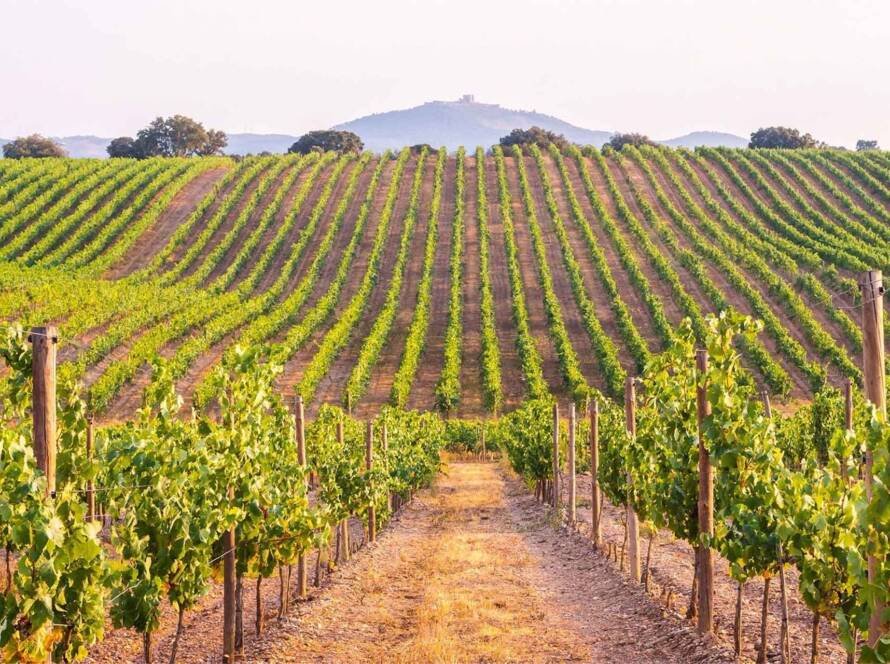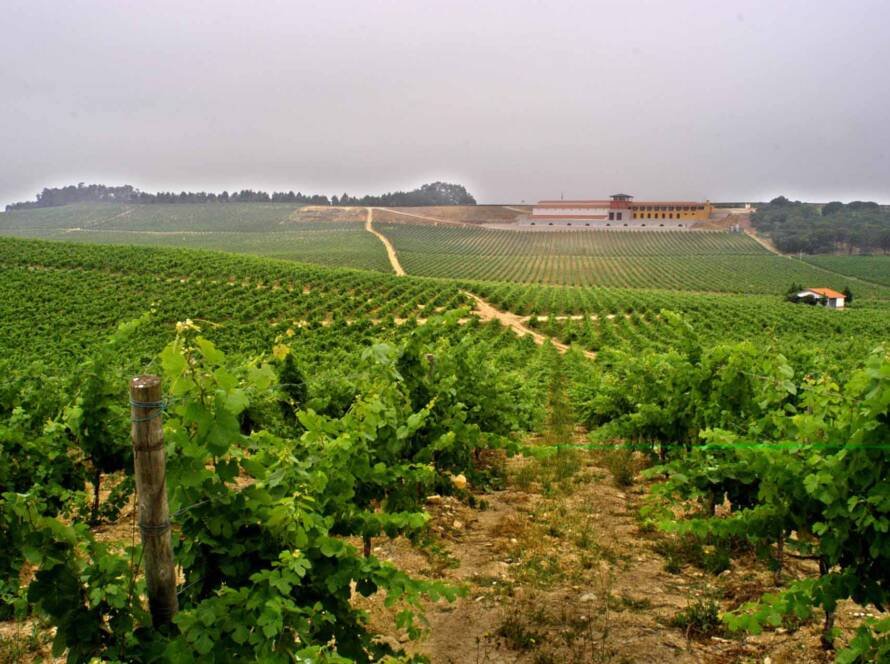


Dão, located in central Portugal, is a mountainous wine region renowned for its refined, structured red wines and crisp, mineral-driven whites. Granite soils and higher altitudes provide an ideal environment for slow-ripening grapes, which develop elegance, depth, and aromatic complexity. The region is often described as Portugal’s “classic” wine area, producing wines that reflect both tradition and finesse.
Key grape varieties in Dão include Touriga Nacional, Tinta Roriz, Jaen, and Encruzado for whites. Touriga Nacional contributes floral aromas and structure, Tinta Roriz adds warmth and body, and Jaen gives elegance and acidity. Encruzado, the principal white grape, produces crisp, fresh wines with delicate floral and citrus notes. Blends are common, creating balanced wines that are versatile with food and suitable for ageing.
In Dão’s highlands, elegance and tradition converge to craft wines of timeless sophistication.

The region’s climate features hot, dry summers and cold winters, with cool nights that preserve acidity in the grapes. Vineyards are often planted on hillsides with granite soils, which provide excellent drainage and contribute to the wines’ mineral character. Dão winemaking blends traditional practices, such as careful hand-harvesting, with modern innovations that improve consistency and quality.
Dão’s wines are known for their longevity and complexity. Reds can age gracefully for decades, developing layers of flavour, while whites retain their freshness and aromatic intensity over time. Beyond wine, the region offers scenic landscapes, charming towns, and historic estates, making it a destination for visitors seeking both wine education and cultural experiences. Dão represents Portugal’s dedication to producing elegant, high-quality wines that celebrate the country’s unique terroir and centuries of winemaking expertise.