

Portuguese Wine Regions Guide
Portugal’s wine identity is built on regional diversity. If you understand Douro, Alentejo, Dão and Vinho Verde, buying confidently in the UK becomes far easier.
Portuguese Wine Regions Guide: quick comparison for UK buyers
| Region | Climate & landscape | Typical styles | Who will like it |
|---|---|---|---|
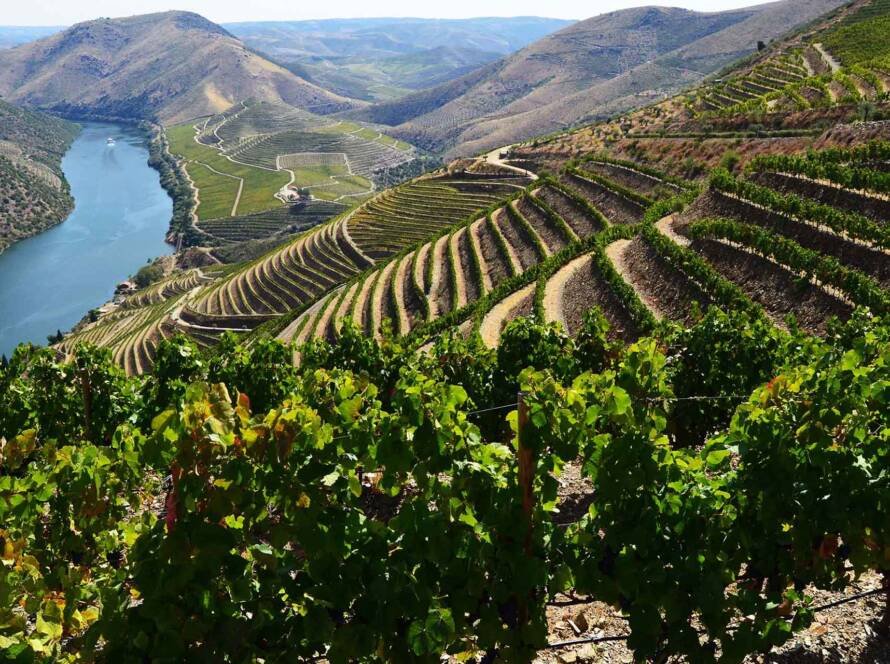
| Douro | Hot, dry, steep schist terraces | Structured reds, dry whites, Port | Fans of bold reds and complex bottles |
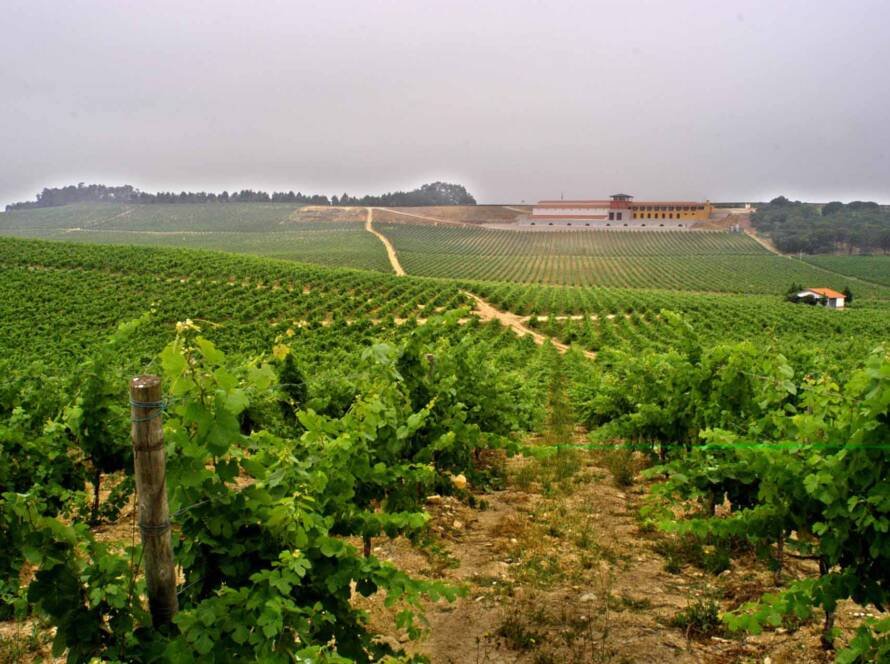
| Alentejo | Warm inland plains | Ripe, smooth reds; generous whites | Drinkers who want plush, easy enjoyment |
| Dão | Higher altitude, granite soils, mountain influence | Elegant reds, fresher balance | Those preferring finesse over power |
| Vinho Verde | Cooler Atlantic-influenced northwest | Crisp whites (sometimes slight spritz), some rosé/red | Lovers of refreshing, zesty whites |
Douro: power, structure and premium potential
Douro is globally known for Port, but it also produces high-quality unfortified reds and whites. Native grapes such as Touriga Nacional, Touriga Franca and Tinta Roriz are central to many red blends.
Best use case: roast dinners, steak nights, cellar-worthy purchases and gifting.
Need a starting bottle? Try Papa Figos Red 2023 for classic Douro character.
Explore Douro wines and see our Douro Region guide page.
Alentejo: smooth, ripe and crowd-friendly
Alentejo’s warmer climate supports generous, fruit-driven wines that are approachable even for newer red-wine drinkers.
Best use case: BBQ, casual entertaining, mixed-preference groups.
Explore Alentejo wines and compare with our Alentejo Region guide page.
For a reliable crowd-pleaser, try Herdade do Peso Trinca Bolotas Red 2020 — an approachable Alentejo red with ripe fruit and easy balance.
Dão: elegance and freshness
Dão reds are often more restrained and food-friendly than warmer-region styles, with freshness from altitude and granite-influenced terroir.
Best use case: food-led dinners, duck, mushroom dishes, charcuterie.
Explore Dão reds.
Vinho Verde: crisp whites for everyday drinking
Vinho Verde is often associated with citrusy freshness, moderate alcohol and lively acidity. While many bottles are still, some have a gentle spritz. Key grapes include Alvarinho, Loureiro and Arinto.
Best use case: seafood, salads, aperitif occasions, warm-weather drinking.
Explore Vinho Verde wines.
Port from the Douro: quick style guide
- Ruby: youthful, fruit-forward.
- LBV: single-vintage character, generally ready to drink on release.
- Tawny: oxidative ageing notes (nuts, caramel, dried fruit).
- Vintage: long bottle ageing potential in top years.
Shop Port & fortified wines.
How UK buyers can choose the right region quickly
- Want bold and rich? Start with Douro.
- Want smooth and crowd-pleasing? Start with Alentejo.
- Want elegant and food-friendly? Start with Dão.
- Want crisp and refreshing? Start with Vinho Verde.
Where to start at Vin’s Winery
CTA: Build a 4-bottle regional tasting (Douro, Alentejo, Dão, Vinho Verde) and compare style, body and acidity in one evening.
FAQ
Which Portuguese region is best for red wine?
Douro and Alentejo are the most common starting points, while Dão is ideal for more elegant red profiles.
Is Vinho Verde always low alcohol?
Many are moderate in alcohol, but levels vary by producer, grape and style.
Are Douro wines only Port?
No. Dry red and white Douro wines are now major quality categories in their own right.
Editorial note: region and style framing follows established Portuguese trade and education references.
Portuguese Wine Regions Guide quick tips
Use this portuguese wine regions guide summary to compare styles, producers and value.
Portuguese Wine Regions Guide related guides
If you are exploring portuguese wine regions guide, also read this related Vin’s Winery guide and compare it with this companion article.
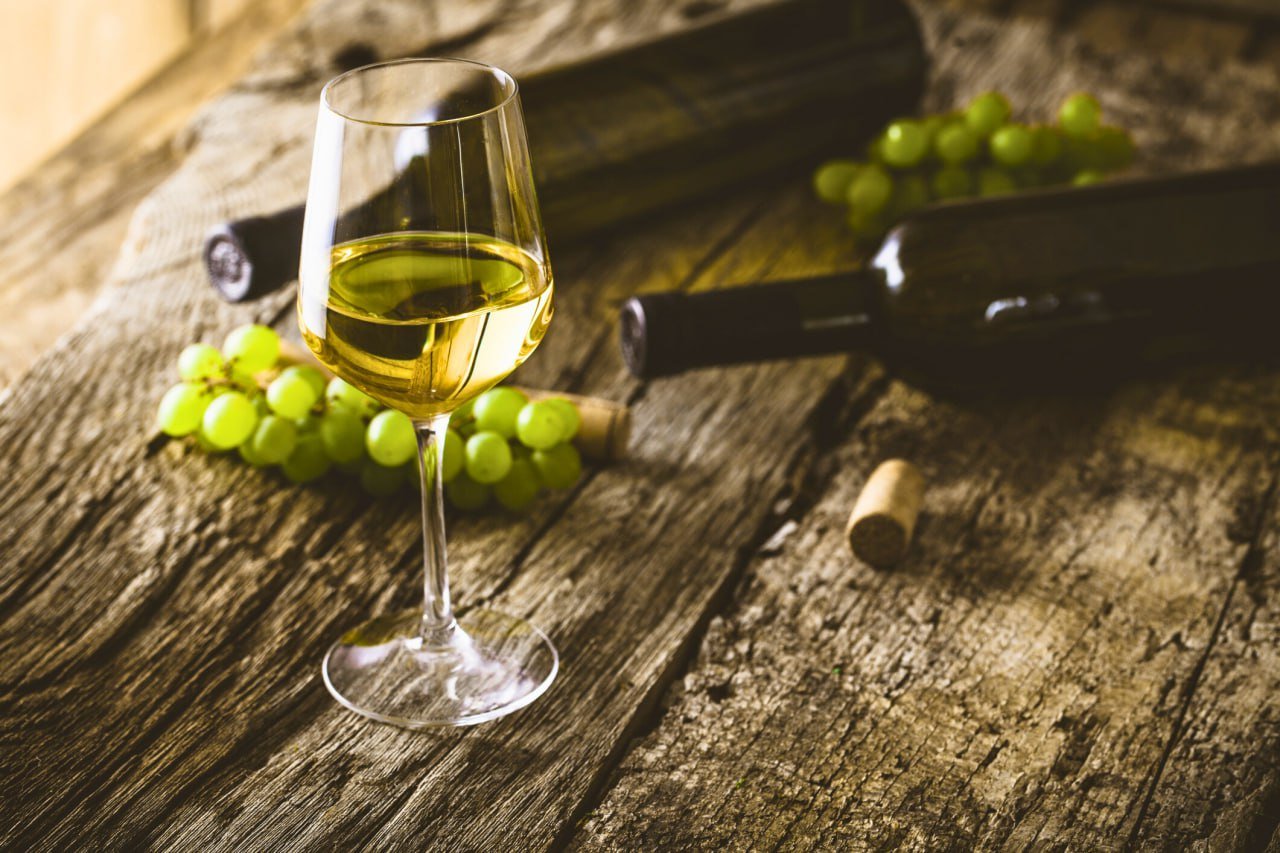
For a customer favourite, see Opta Grand Reserve with fast UK delivery.